Vous ne trouvez pas ce que vous cherchez ?
Dites-nous ce dont vous avez besoin — notre équipe est prête à vous apporter la solution adaptée.

The Operational Shift Behind Europe’s Packaging Sustainability Laws

For years, sustainability commitments in packaging were largely self-imposed. Brands set their own timelines, published their own targets, and updated packaging when it made sense commercially. That era is ending.

The EU's Packaging and Packaging Waste Regulation (PPWR) is the clearest signal yet that sustainability is moving from brand policy to legal obligation. And the August 2026 deadline for recyclability icons and material composition pictograms is no longer a distant milestone. It's this quarter.

The direction is clear. But most of the conversation around EU sustainability packaging has focused on what needs to change on pack. Very little has been written about what it takes to actually execute those changes, across SKUs, markets, and approval cycles without the wheels coming off.

What the regulations actually require on packaging

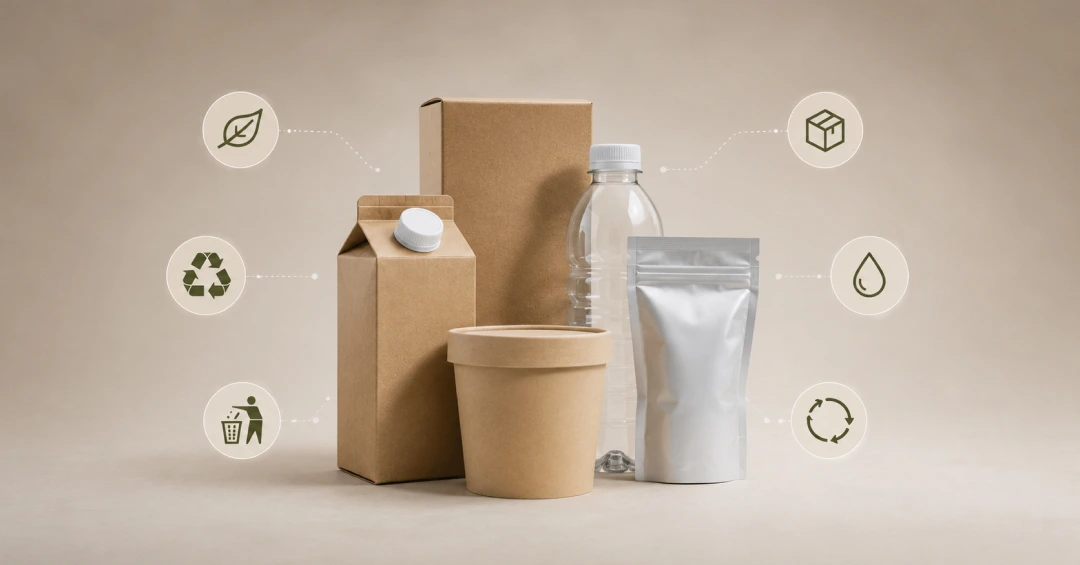
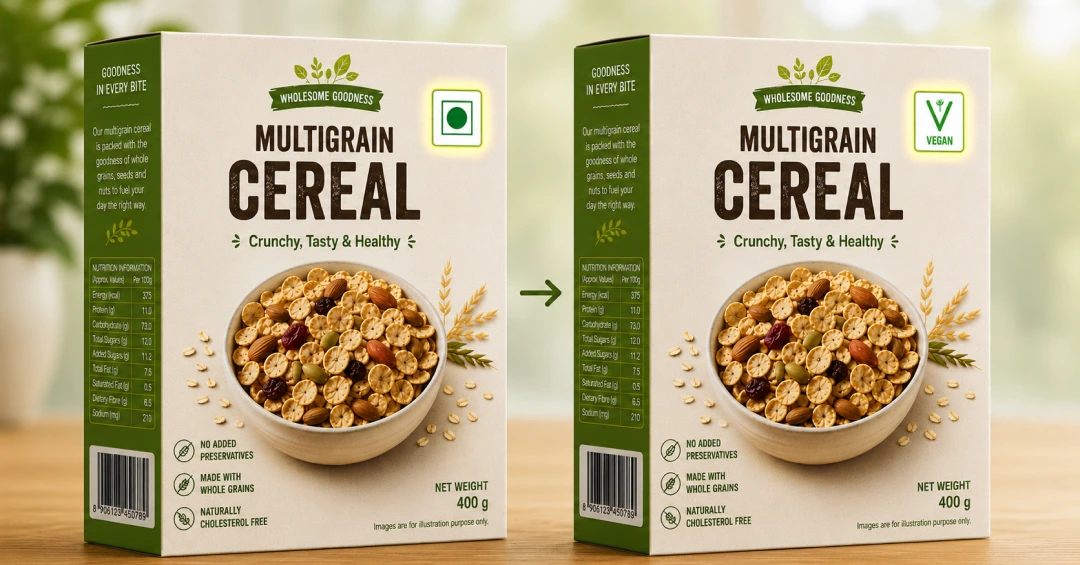
The PPWR introduces a set of mandatory on-pack requirements that go beyond what most brands currently display. By August 2026, consumer-facing packaging sold in EU markets must carry recyclability labels. Specifically, icons that communicate whether the packaging is recyclable and what material it's made from. These aren't optional design choices. They follow a defined visual system, which means brands can't improvise the look or placement.

On top of this, the EU’s anti-greenwashing directive is tightening rules around environmental claims. It bans vague terms like “eco-friendly,” “sustainable,” or “green” on packaging unless they are backed by recognised certifications or methodologies. Brands that have been using this language as general positioning rather than verified claims now face a legal problem that shows up directly on their packaging artwork.

Both of these requirements land in the same place: the label.

The operational problem nobody is talking about

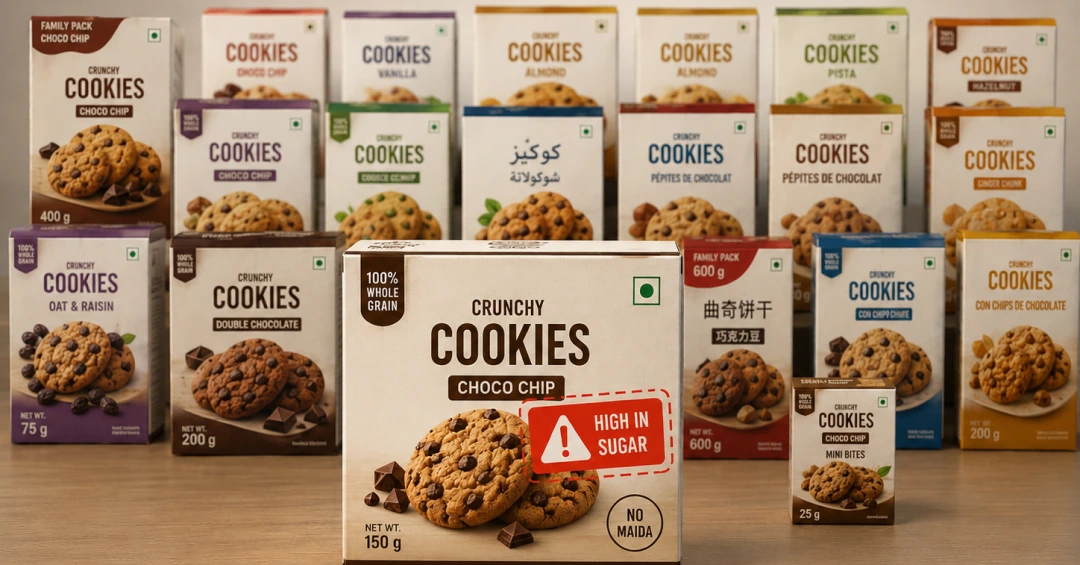
Recyclability icons and material composition pictograms are not a single update to a single SKU. For any mid-to-large FMCG brand, this change affects every product sold in EU markets across every format, size variant, language version, and market variant of that packaging. A brand with 200 EU-facing SKUs is not making one artwork change. They are managing 200 of them, each requiring the right icon in the right position, approved by the right people before the deadline.

The greenwashing piece adds another layer. If your packaging currently carries a claim like “sustainably sourced packaging” or another broad eco-descriptor, someone has to decide whether that claim can be substantiated under the new rules. If it cannot, it needs to be removed. That means identifying every SKU carrying that copy, initiating an artwork revision, getting it through legal and regulatory review, and issuing a new approved version to print.

That is not a design problem. It is a workflow problem.  

Where brands are most likely to get into trouble

The PPWR compliance challenge isn't really about understanding what's required. Most packaging teams have read the regulation or been briefed on it. The real risk is in execution, specifically in three areas.

  1. Visibility across the portfolio. If you can't immediately answer "which of our EU SKUs are carrying environmental claims that need to be reviewed?" or "which formats don't yet have the recyclability icon placed correctly?" you have a gap. Brands that manage artwork across shared drives, email threads, and disconnected systems will struggle to get that answer quickly. And without it, you can't scope the work or set realistic timelines.
  1. Version control under pressure. PPWR is creating a wave of simultaneous artwork updates across multiple markets. When a lot of SKUs are moving at once, version confusion becomes a real risk. The wrong file goes to print. An update gets applied to last month's version, not the current one. A regional variant gets missed. These aren't hypothetical, they're the kinds of errors that happen when teams are working fast without a single source of truth for artwork status.
  1. Approval cycles that don't match the deadline. Many brands have approval processes that were designed for normal NPD timelines, not compliance-driven waves. Getting legal, regulatory, and brand teams to approve recyclability icon placement or copy removal is very different from approving a new product launch. But it still moves through the same workflows and bottlenecks.

What the brands getting ahead of this have in common

The brands that are in better shape heading into Q3 2026 are not necessarily the ones with the most resources. They're the ones that approached this as an artwork management problem, not just a compliance checklist.

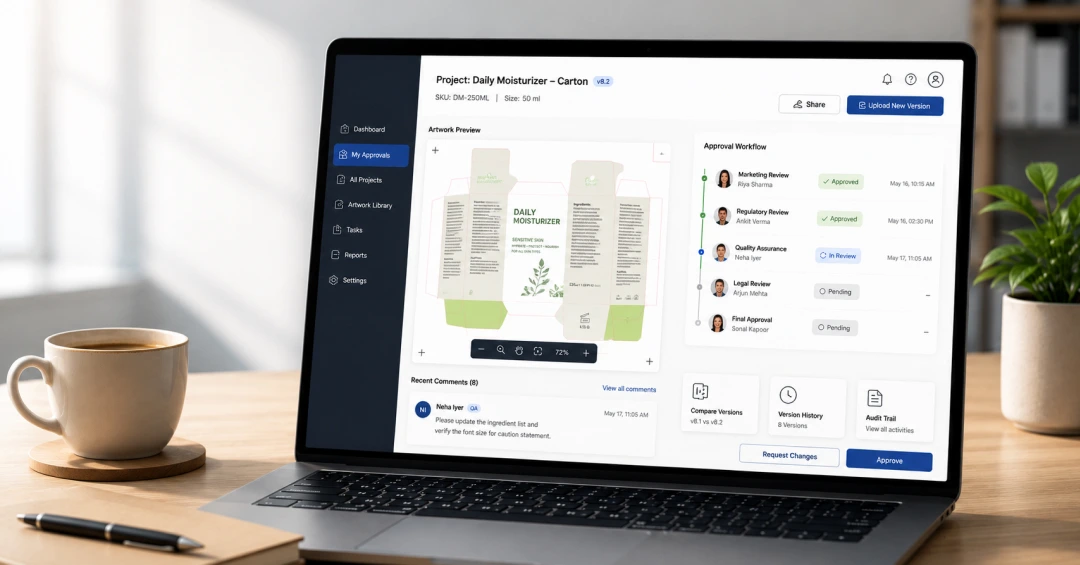
That means having a clear view of which SKUs need to change, not by asking different teams to compile lists, but by having that information already structured in a centralised system. It means being able to run a compliance update through a defined workflow where each team knows their role, feedback is consolidated, and sign-offs are tracked instead of being managed through email. And it means having confidence in what version of the packaging artwork is current and approved, so the right file goes to the right printer at the right time.

These aren't capabilities that get built overnight. But the brands that have invested in structured artwork management platforms are finding that the operational lift of PPWR is significantly lower than those still running on shared folders and manual tracking.

The broader shift this signals

PPWR and the EU greenwashing directive are not the end of this. They are the first wave of a regulatory environment that is becoming systematically more demanding on packaging.

For packaging teams, the challenge is no longer understanding regulations. It is executing packaging changes accurately, consistently, and at scale across hundreds of SKUs.

That is where a packaging artwork management platform like ManageArtworks becomes a competitive advantage.

ManageArtworks helps brands bring structure to packaging operations through centralized artwork management, controlled workflows, version control, and cross-functional approvals. Whether the task is implementing recyclability icons, updating environmental claims, or responding to future regulatory changes, teams can manage artwork updates with greater visibility and confidence.

The regulations will continue to evolve. The brands that succeed will be the ones that have built packaging operations capable of evolving with them.  

Frequently Asked Questions

How does the EU anti-greenwashing directive impact packaging?
Know More

It restricts vague sustainability claims like “eco-friendly” unless they are supported by recognized evidence or certifications.

What is the EU PPWR regulation requiring brands to change?
Know More

The PPWR requires brands to add standardized recyclability labels and material composition pictograms on packaging sold in EU markets.

How can packaging artwork management software help with PPWR?
Know More

It centralizes artwork files, streamlines approvals, improves visibility, and helps teams manage compliance changes accurately at scale.

Recent Blogs

Prêt à découvrir comment ManageArtworks fonctionne ?
Cela pourrait fonctionner pour vous ?

Correct
Gratuit pendant 14 jours
Correct
Aucun détail de carte n'est requis

Hear what Our Customers say

Cedar's company logo with an image of a green cedar tree.
We wanted to streamline our label approval process with a functional program that could help us avoid human error, consolidate information, store assets, and provide timelines. ManageArtworks met all of these needs and is extremely user friendly, so our adoption to the software was seamless. The customer service and customization far exceed expectations.
Icon of a stylized helmet with face guard in turquoise and the word HEALTH next to it.
The system's efficiency in handling artwork submissions, revisions, and approvals has not only saved us valuable time but has also enhanced collaboration among team members. Its automated notification feature has greatly reduced communication gaps and improved overall project coordination. the Artwork Management System has been a game-changer for us. Its reliability, ease of use, and comprehensive capabilities make it an indispensable tool for anyone dealing with artwork management.
Borosil brand logo
ManageArtworks has significantly improved our workflows and artwork development process. The tool makes it easy to initiate new projects and set up timelines for artwork development. The ability to store all relevant information in one central location has been a game-changer as it allows us team members to collaborate and communicate seamlessly. Special thanks to the customer support team for their responsiveness and meaningful support.
Chegg logo featuring a stylized open book with blue and green pages and an orange bookmark.
ManageArtworks is an excellent product to work on with. With this tool, our artwork development timelines are coming down and efficiency is getting improved. This tool makes it easy for multiple departments to work together seamlessly. My special appreciation to the support team. They are extremely knowledgeable, listen to all the queries carefully, and come up with solutions quickly. They ensure that the new updates are implemented without disrupting our work.
DrReddys logo with stylized purple text and a heart-shaped design composed of leaf elements.
What sets ManageArtworks apart from off-the-shelf document management systems (DMS), artwork management systems and other collaboration platforms in the market is the fact that it is an integrated solution that brings together DMS, workflows, record management (packaging records & batch records), advanced reporting, analytics and audit trails. Everyone at ManageArtworks from the leadership to the project manager, were willing and able to configure the solution as per our specific needs.
Parle Agro
We are in an FMCG Volume Business where end-to-end artwork ecosystem and quick turnaround time are critical elements. We wanted to digitalize the Artwork Management to eliminate human errors and improve turnaround time. At Parle Agro Ltd, we achieved these objectives with the implementation of the KAROMI ManageArtworks System. The KAROMI project and support team, along with senior management, have proven to be exceptionally supportive, knowledgeable, innovative, and committed throughout the journey.
Parle Agro
We needed a solution to manage our artwork development and approval process better, and found ManageArtworks. With this easy-to-use system, we have been able to effectively reduce time to market, increase productivity, and increase artwork review disciplines to help minimize errors.
Parle Agro
After a year of development, we adopted ManageArtworks for proofreading and validation. Following a trial in the French market, we expanded its use to subsidiaries and export.
This 100% English platform was quickly mastered by internal and external collaborators. It offers centralization, data security, traceability, and streamlined packaging reviews, saving time and effort. After 3+ years, it continues to receive unanimous praise and a growing user base!